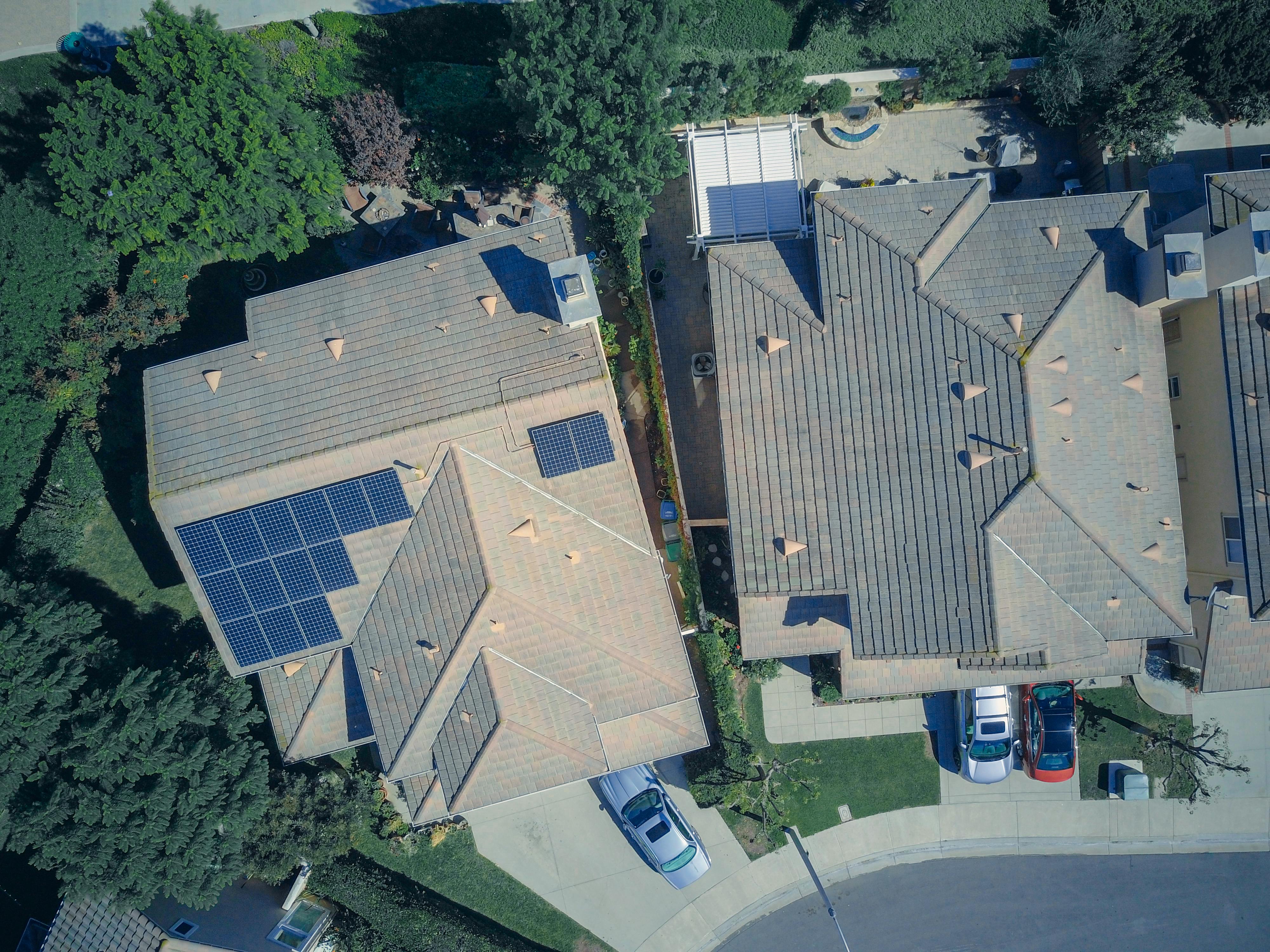
Three years ago, Linda from Sunshine Coast opened her quarterly electricity bill and felt that familiar sinking feeling. $847 for three months. Again.
She'd tried everything. LED bulbs. Turning off appliances. Running the air conditioner less during those brutal Queensland summers. Nothing made a real difference.
Today, Linda's bills average $43 per quarter. Not because she lives like it's 1950, but because her home generates and stores its own energy.
Australia has some of the highest electricity prices in the developed world. That's not an opinion, it's documented reality[1].
Meanwhile, we also have some of the best solar conditions on Earth. More sunlight hits your roof in a week than you'll use in a month.
The disconnect is almost absurd when you think about it.
Traditional solar panels help during the day. But what happens after sunset when everyone gets home, turns on lights, starts cooking, and your solar panels produce exactly zero watts?
You buy expensive peak-rate electricity from the grid. Every single evening. For decades.
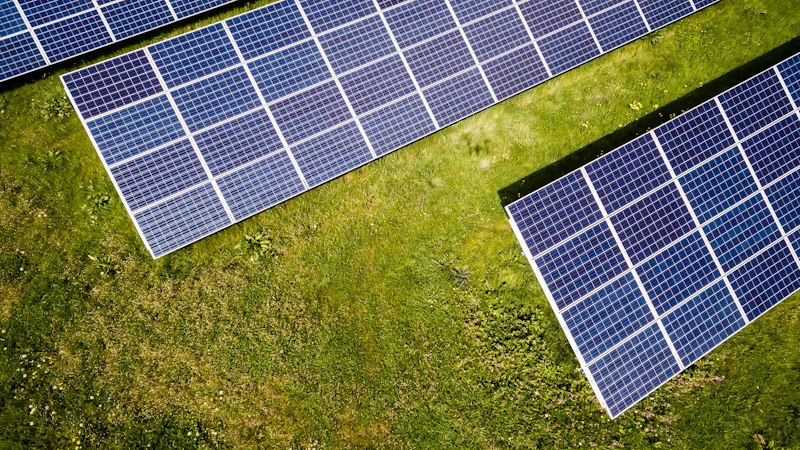
Solar panels capture energy. Solar batteries store it. That second part changes everything.
When your system captures more energy than you're using at that moment, instead of selling it back to the grid for cents, you store it. Then you use it when you need it. Morning coffee. Evening meals. Late night air conditioning.
The sun might not shine at night, but the energy it created at noon can power your home at midnight.
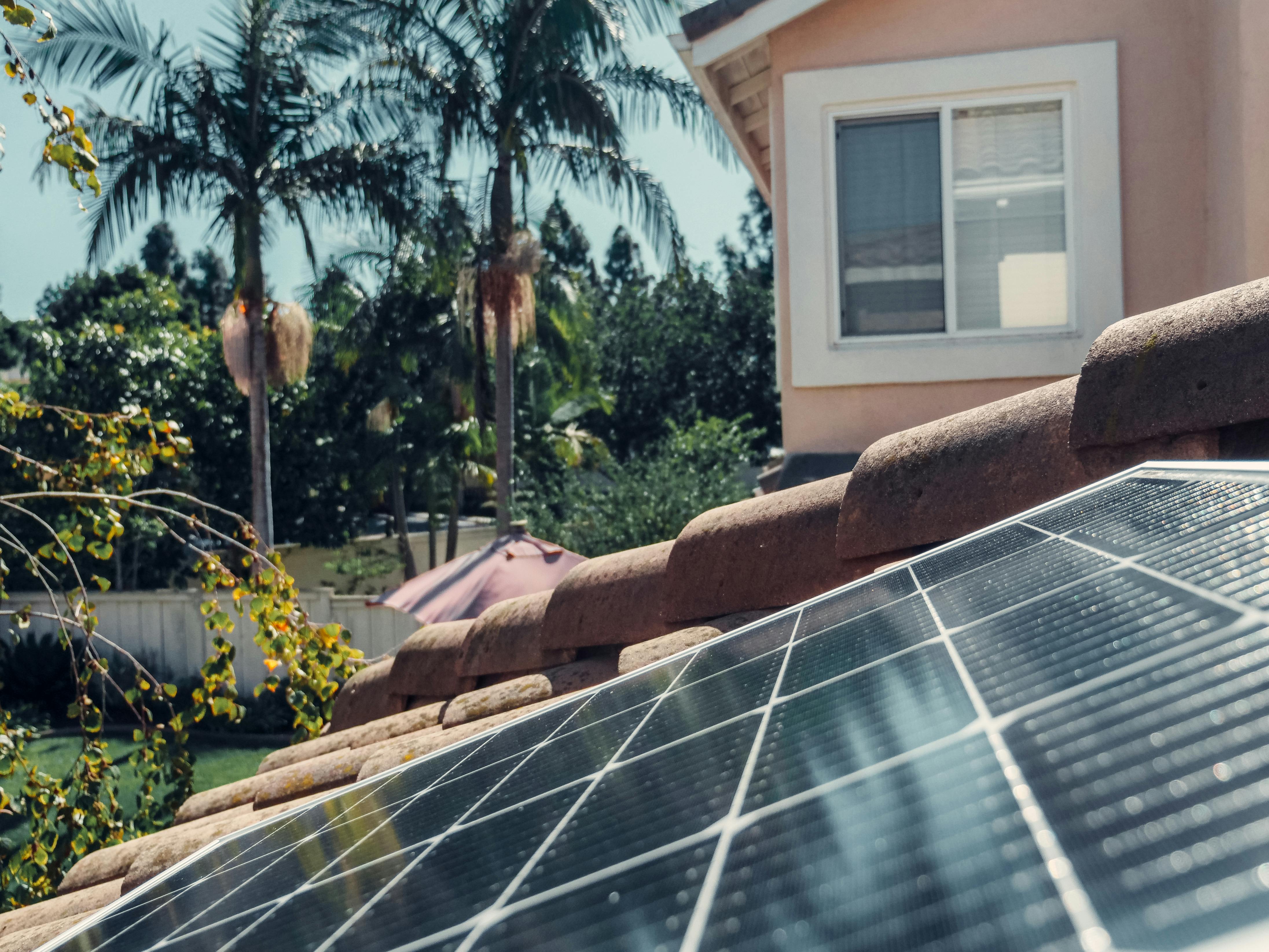
High-efficiency panels on your roof convert sunlight into direct current electricity throughout daylight hours.
Lithium battery systems store excess energy that you're not immediately consuming. Typical residential systems hold 10-15 kWh.
Your home draws from stored battery power first, only pulling from the grid when battery reserves deplete completely.
Over time, your reliance on grid electricity drops dramatically. Many households reduce grid usage by 85-90%.
"I was skeptical about the payback period, but fourteen months in and we've already saved over $2,100 in electricity costs. The system paid for itself faster than predicted."
"During the February heatwave when our street had a three-hour outage, we were the only house with lights and air conditioning. The battery kept everything running."
"Installation took six hours. The team was professional, left no mess, and the system was generating power that same afternoon. Simple as that."
Most households see their first reduced bill within the first billing cycle. The system starts saving money from day one of operation.

When the grid goes down, your battery system can provide backup power to essential circuits. Refrigeration, lighting, and communication devices keep running.
Australian real estate data shows homes with solar battery systems can sell for 3-4% more than comparable properties without energy systems[2].
Lithium-ion battery technology has reached a maturity point where degradation rates are minimal. Studies indicate modern residential battery systems may retain over 80% capacity after 10 years of daily cycling[3].
Solar panel efficiency has improved by roughly 22% over the past decade, with monocrystalline panels now regularly achieving 20-22% conversion efficiency in real-world conditions[4].
The Australian Energy Market Operator projects that by 2030, distributed solar and battery systems could provide up to 13,000 MW of virtual power plant capacity across the National Electricity Market[5].
Each solution includes panels, battery storage, inverter, monitoring system, and professional installation. All equipment comes with manufacturer warranties.
We'll analyze your roof orientation, local sunlight data, and current energy usage to recommend the optimal system configuration.
The information provided on this website is for general educational purposes and may not reflect individual circumstances. Results can differ based on location, roof characteristics, household consumption patterns, and local electricity rates. This content is not a substitute for professional energy consultation. We recommend consulting with a qualified solar energy specialist to evaluate your specific situation before making installation decisions. System performance estimates are based on typical Australian conditions and may vary.